
About me
Final
My name is Sara R. Selim.
I am an Italian-Egyptian theatre and opera director. I come from a family with a migration background, and growing up between different cultural reference points has profoundly shaped the way I see the world and, over time, my approach to theatre. It has led me to question many of the things we often take for granted: the stories we tell, the perspectives from which we view the world, and the different ways in which we relate to one another. My curiosity and interest in other perspectives and experiences stem precisely from this background.
For over fifteen years, I have worked across Italy, the United Kingdom, and international contexts, collaborating with artists, institutions, and organizations from a wide range of backgrounds. Over the years, I have worked as an actress, assistant director, director, translator, and researcher, developing a practice centered on the encounter between different artistic approaches, languages, cultures, and systems of knowledge.
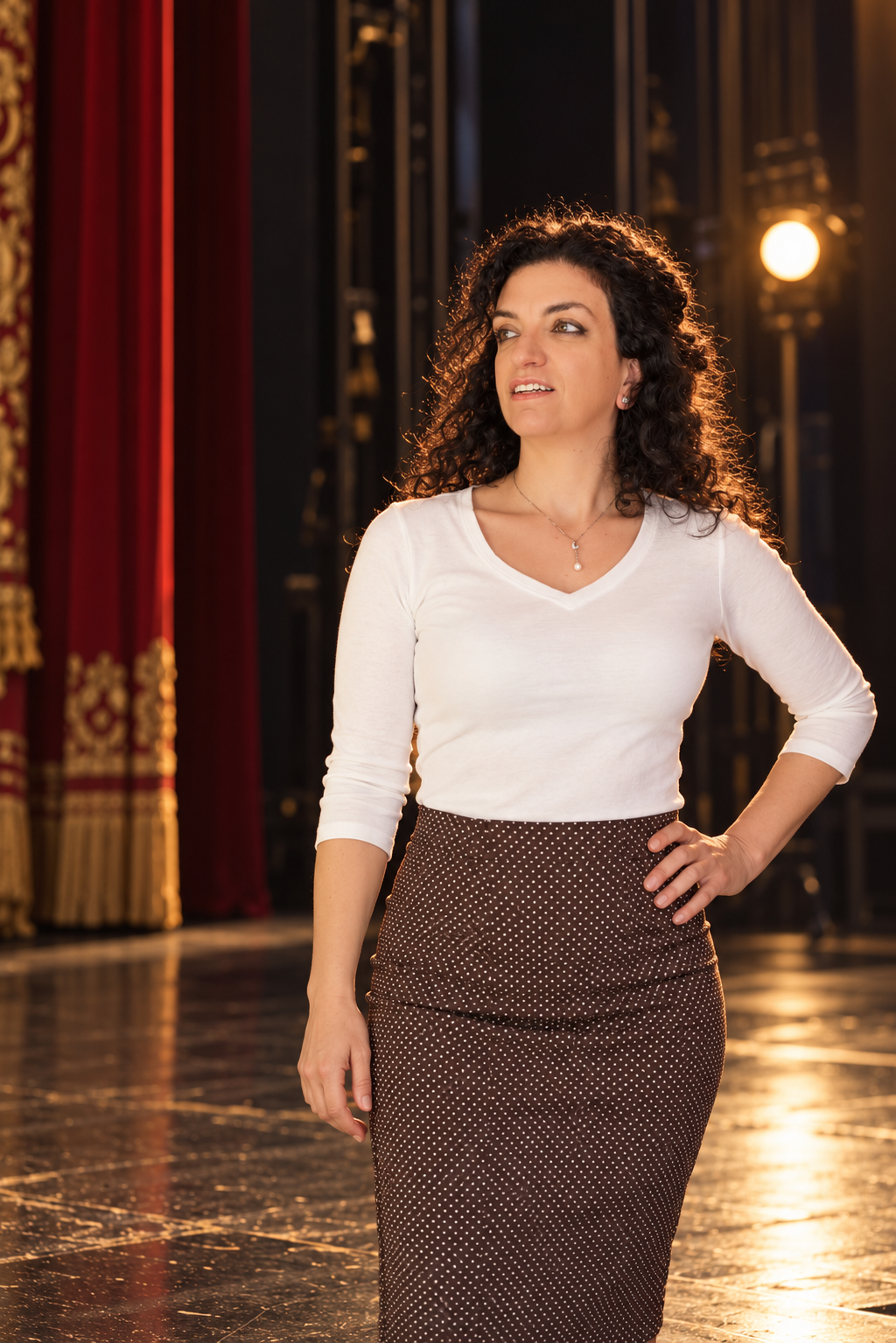

Beginnings and Theatre
Theatre was the language through which, from an early age, I felt I could fully express myself. Through working on myself and on the characters I played, I was able to explore and express aspects of my identity that did not always find space in everyday life.
That discovery soon developed into a path of training and professional practice. I studied and worked across Italy, the United Kingdom, and Germany, exploring different approaches to acting and theatrical practice. I trained as an actress in Italy and London and took part in workshops and training programmes devoted to physical theatre, biomechanics, and the practices of Jerzy Grotowski and Eugenio Barba, both in Italy and abroad.
Directing
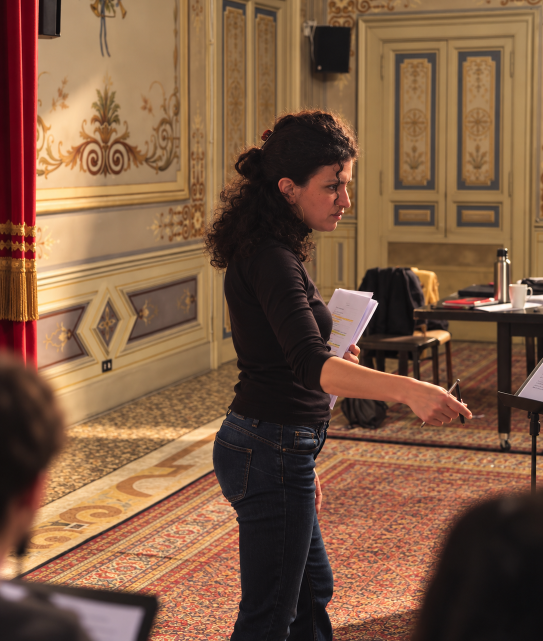
Alongside my work as an actress, I soon began to move towards directing and dramaturgy. I felt the need to broaden my perspective: not only to inhabit a character, but also to explore the work as a whole—the relationships between actors, the use of space, and the stories taking shape on stage.
My real initiation into directing came through my work with the renowned Italian director Gabriele Lavia, with whom I worked as an assistant director on theatre productions, including Much Ado About Nothing and Measure for Measure, and later in opera, on The Servant at the Sferisterio Opera Festival in 2008.
In the following years, I moved to the United Kingdom, where I began developing my first projects as a director and dramaturg.
Opera
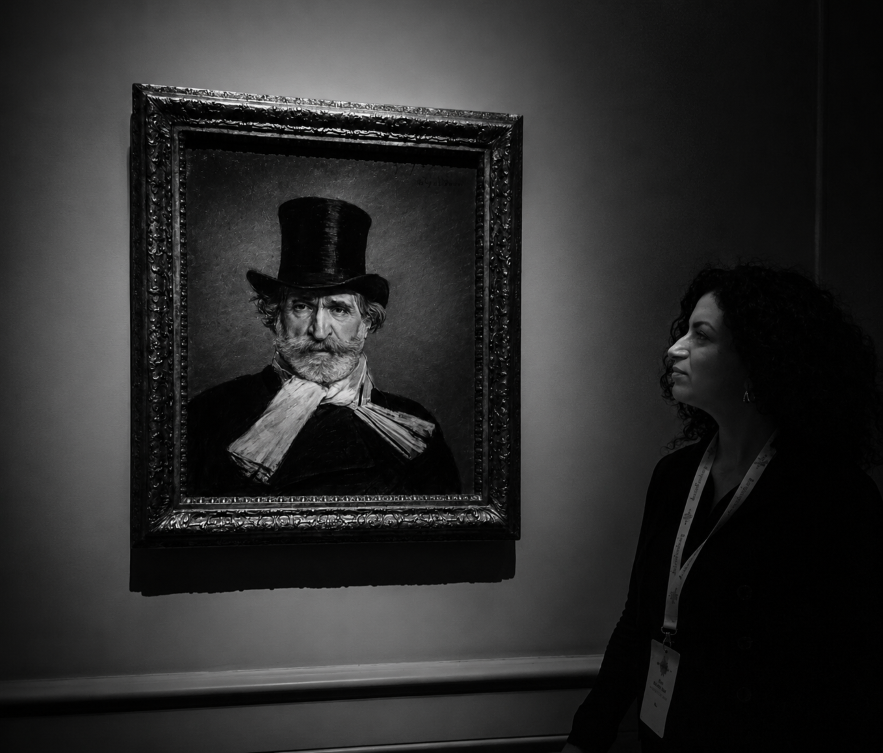
My first encounter with opera came through my work as an assistant director. I later decided to deepen my engagement with this art form through specialised training in Musical Theatre Directing at the “Licinio Refice” Conservatory in Frosinone, under the guidance of director and playwright Professor Stefania Porrino.
For me, opera became the meeting point between two paths that had always been part of my education: theatre and music. I have studied the piano since the age of six, and opera directing has allowed me to bring my musical knowledge into my work on stage while continuing to develop it through practice.
In my work, I am particularly interested in original operas and in the need to bring new life to a genre that continues to offer enormous expressive possibilities. For this reason, I am committed to promoting and staging contemporary operas that engage, through music and voice, with issues that are relevant to the world we live in today.
Captain Who, an original contemporary opera by composer Wojciech Stępień, is part of this artistic direction. I directed its Italian premiere at Teatro di Documenti in Rome in 2025, in a project supported by the Polish Institute in Rome and the Adam Mickiewicz Institute. The production brought to the stage a contemporary work combining theatre and music while addressing issues that remain deeply relevant today, including toxic masculinity and gender-based violence.
Between Research and the Stage
Alongside my artistic training, I studied Foreign Languages and Cultures and International Relations. After spending several years abroad, I returned to Italy and completed a Master’s degree in Anglo-American Studies at Sapienza University of Rome.
From the very beginning, theatre represented a point of connection between my artistic and academic paths. In my Master’s thesis, I worked on nineteenth-century American theatre, focusing on the work of one of the first women playwrights active in New York and on her theatrical adaptation of a novel. I was particularly interested in the way this process of adaptation transformed a character who had originally occupied a marginal role—a young Indigenous woman—into the central protagonist of the play.
Through this work, I began to explore the ways in which Indigenous figures and characters have been represented in American theatre and literature.
In 2021, I decided to pursue these questions further through a PhD in English Languages, Literatures and Translation. Building on this initial interest, I chose to focus on the contemporary theatre of Indigenous women playwrights from the United States and Canada.
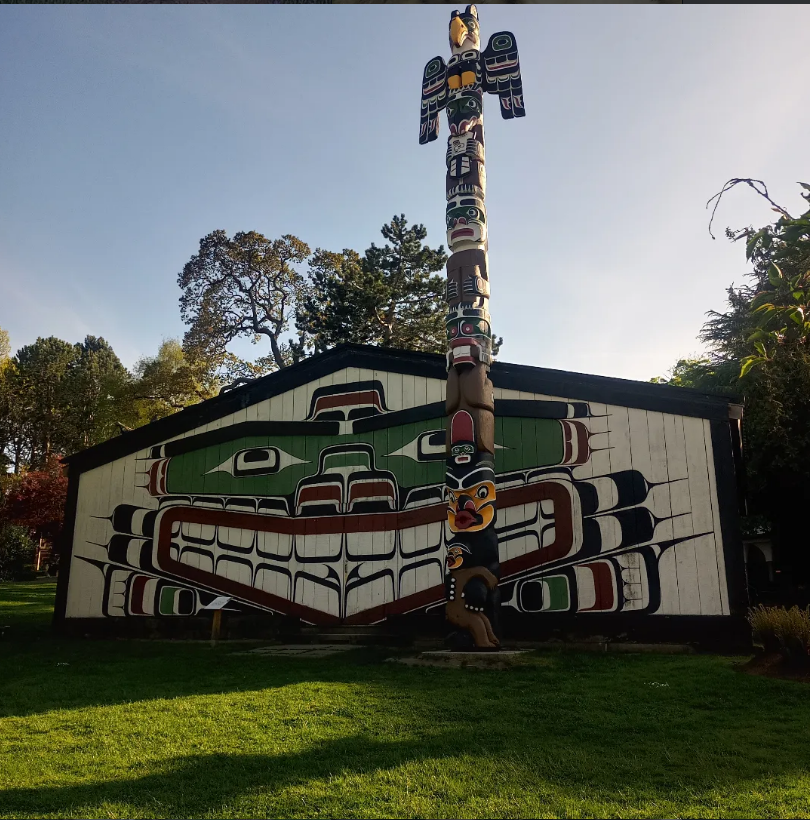
Contemporary Indigenous Theatre in Canada and the United States
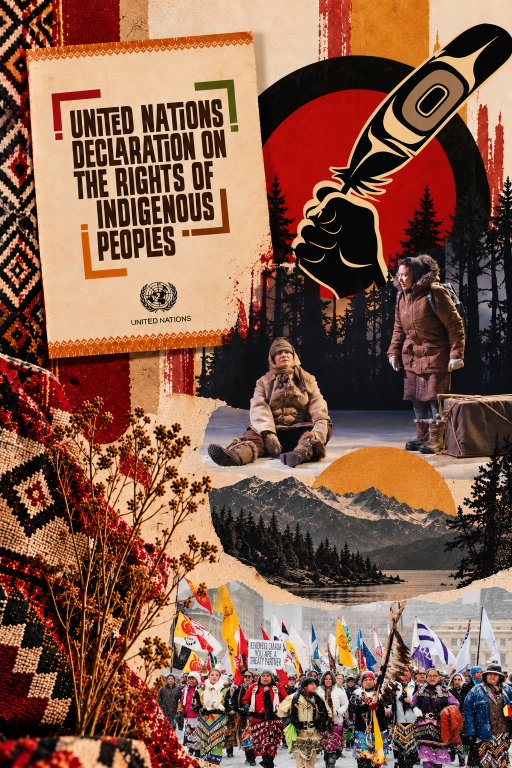
My research project explores how these playwrights engage with and respond, through dramatic writing, to the legal practices that have contributed to the marginalisation and oppression of Indigenous peoples in the United States and Canada. At the same time, it examines how these texts can be understood not only as literary works, but also as manifestations and articulations of Indigenous legal orders.
This path has led me to explore the intersection of law and literature and, more broadly, the relationship between law, theatre, human rights, storytelling, and the production of knowledge.
My research was further enriched by my decision to translate into Italian one of the plays I wrote about in my doctoral thesis, The Unplugging by Algonquin playwright Yvette Nolan. The translation received a grant from the Canada Council for the Arts in 2023.
Encountering Indigenous epistemologies and research methodologies from North America profoundly transformed not only the way I conduct research, but also the way I see the world. It led me to question many of the categories and assumptions through which I had been taught to read, interpret, and produce knowledge.
Research has therefore become an integral part of my artistic practice. I continue to explore the relationship between theatre, law, storytelling, and different forms of knowledge, allowing my academic work and my work on stage to inform and nourish one another.
I am profoundly convinced that my research and artistic practice cannot be separated from social activism. The struggles and claims of Indigenous peoples, and the fight against different forms of oppression, accompany both my artistic and research journey and inform the choices I make.
I write more extensively about my journey, my research, and the questions that guide my work on my blog.
Final prova
My name is Sara R. Selim.
I am an Italian-Egyptian theatre and opera director. I come from a family with a migration background, and growing up between different cultural reference points has profoundly shaped the way I see the world and, over time, my approach to theatre. It has led me to question many of the things we often take for granted: the stories we tell, the perspectives from which we view the world, and the different ways in which we relate to one another. My curiosity and interest in other perspectives and experiences stem precisely from this background.
For over fifteen years, I have worked across Italy, the United Kingdom, and international contexts, collaborating with artists, institutions, and organizations from a wide range of backgrounds. Over the years, I have worked as an actress, assistant director, director, translator, and researcher, developing a practice centered on the encounter between different artistic approaches, languages, cultures, and systems of knowledge.
Beginnings and Theatre
Theatre was the language through which, from an early age, I felt I could fully express myself. Through working on myself and on the characters I played, I was able to explore and express aspects of my identity that did not always find space in everyday life.
That discovery soon developed into a path of training and professional practice. I studied and worked across Italy, the United Kingdom, and Germany, exploring different approaches to acting and theatrical practice. I trained as an actress in Italy and London and took part in workshops and training programmes devoted to physical theatre, biomechanics, and the practices of Jerzy Grotowski and Eugenio Barba, both in Italy and abroad.
Directing
Alongside my work as an actress, I soon began to move towards directing and dramaturgy. I felt the need to broaden my perspective: not only to inhabit a character, but also to explore the work as a whole—the relationships between actors, the use of space, and the stories taking shape on stage.
My real initiation into directing came through my work with the renowned Italian director Gabriele Lavia, with whom I worked as an assistant director on theatre productions, including Much Ado About Nothing and Measure for Measure, and later in opera, on The Servant at the Sferisterio Opera Festival in 2008.
In the following years, I moved to the United Kingdom, where I began developing my first projects as a director and dramaturg.
Opera
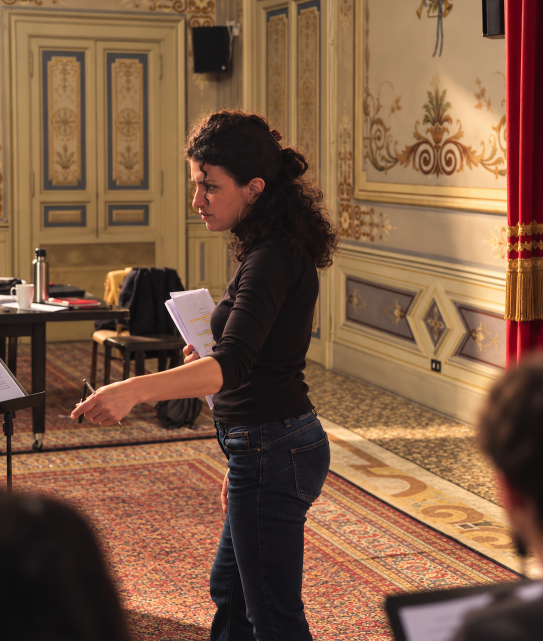
My first encounter with opera came through my work as an assistant director. I later decided to deepen my engagement with this art form through specialised training in Musical Theatre Directing at the “Licinio Refice” Conservatory in Frosinone, under the guidance of director and playwright Professor Stefania Porrino.
For me, opera became the meeting point between two paths that had always been part of my education: theatre and music. I have studied the piano since the age of six, and opera directing has allowed me to bring my musical knowledge into my work on stage while continuing to develop it through practice.
In my work, I am particularly interested in original operas and in the need to bring new life to a genre that continues to offer enormous expressive possibilities. For this reason, I am committed to promoting and staging contemporary operas that engage, through music and voice, with issues that are relevant to the world we live in today.
Captain Who, an original contemporary opera by composer Wojciech Stępień, is part of this artistic direction. I directed its Italian premiere at Teatro di Documenti in Rome in 2025, in a project supported by the Polish Institute in Rome and the Adam Mickiewicz Institute. The production brought to the stage a contemporary work combining theatre and music while addressing issues that remain deeply relevant today, including toxic masculinity and gender-based violence.
Between Research and the Stage
Alongside my artistic training, I studied Foreign Languages and Cultures and International Relations. After spending several years abroad, I returned to Italy and completed a Master’s degree in Anglo-American Studies at Sapienza University of Rome.
From the very beginning, theatre represented a point of connection between my artistic and academic paths. In my Master’s thesis, I worked on nineteenth-century American theatre, focusing on the work of one of the first women playwrights active in New York and on her theatrical adaptation of a novel. I was particularly interested in the way this process of adaptation transformed a character who had originally occupied a marginal role—a young Indigenous woman—into the central protagonist of the play.
Through this work, I began to explore the ways in which Indigenous figures and characters have been represented in American theatre and literature.
In 2021, I decided to pursue these questions further through a PhD in English Languages, Literatures and Translation. Building on this initial interest, I chose to focus on the contemporary theatre of Indigenous women playwrights from the United States and Canada.
Contemporary Indigenous Theatre in Canada and the United States
My research project explores how these playwrights engage with and respond, through dramatic writing, to the legal practices that have contributed to the marginalisation and oppression of Indigenous peoples in the United States and Canada. At the same time, it examines how these texts can be understood not only as literary works, but also as manifestations and articulations of Indigenous legal orders.
This path has led me to explore the intersection of law and literature and, more broadly, the relationship between law, theatre, human rights, storytelling, and the production of knowledge.
My research was further enriched by my decision to translate into Italian one of the plays I wrote about in my doctoral thesis, The Unplugging by Algonquin playwright Yvette Nolan. The translation received a grant from the Canada Council for the Arts in 2023.
Encountering Indigenous epistemologies and research methodologies from North America profoundly transformed not only the way I conduct research, but also the way I see the world. It led me to question many of the categories and assumptions through which I had been taught to read, interpret, and produce knowledge.
Research has therefore become an integral part of my artistic practice. I continue to explore the relationship between theatre, law, storytelling, and different forms of knowledge, allowing my academic work and my work on stage to inform and nourish one another.
I am profoundly convinced that my research and artistic practice cannot be separated from social activism. The struggles and claims of Indigenous peoples, and the fight against different forms of oppression, accompany both my artistic and research journey and inform the choices I make.
I write more extensively about my journey, my research, and the questions that guide my work on my blog.
My name is Sara R. Selim.
I am an Italian-Egyptian theatre and opera director. I come from a family with a migration background, and growing up between different cultural reference points has profoundly shaped the way I see the world and, over time, my approach to theatre. It has led me to question many of the things we often take for granted: the stories we tell, the perspectives from which we view the world, and the different ways in which we relate to one another. My curiosity and interest in other perspectives and experiences stem precisely from this background.
For over fifteen years, I have worked across Italy, the United Kingdom, and international contexts, collaborating with artists, institutions, and organizations from a wide range of backgrounds. Over the years, I have worked as an actress, assistant director, director, translator, and researcher, developing a practice centered on the encounter between different artistic approaches, languages, cultures, and systems of knowledge.
Beginnings and Theatre
Theatre was the language through which, from an early age, I felt I could fully express myself. Through working on myself and on the characters I played, I was able to explore and express aspects of my identity that did not always find space in everyday life.
That discovery soon developed into a path of training and professional practice. I studied and worked across Italy, the United Kingdom, and Germany, exploring different approaches to acting and theatrical practice. I trained as an actress in Italy and London and took part in workshops and training programmes devoted to physical theatre, biomechanics, and the practices of Jerzy Grotowski and Eugenio Barba, both in Italy and abroad.
Directing
Alongside my work as an actress, I soon began to move towards directing and dramaturgy. I felt the need to broaden my perspective: not only to inhabit a character, but also to explore the work as a whole—the relationships between actors, the use of space, and the stories taking shape on stage.
My real initiation into directing came through my work with the renowned Italian director Gabriele Lavia, with whom I worked as an assistant director on theatre productions, including Much Ado About Nothing and Measure for Measure, and later in opera, on The Servant at the Sferisterio Opera Festival in 2008.
In the following years, I moved to the United Kingdom, where I began developing my first projects as a director and dramaturg.
Opera
My first encounter with opera came through my work as an assistant director. I later decided to deepen my engagement with this art form through specialised training in Musical Theatre Directing at the “Licinio Refice” Conservatory in Frosinone, under the guidance of director and playwright Professor Stefania Porrino.
For me, opera became the meeting point between two paths that had always been part of my education: theatre and music. I have studied the piano since the age of six, and opera directing has allowed me to bring my musical knowledge into my work on stage while continuing to develop it through practice.
In my work, I am particularly interested in original operas and in the need to bring new life to a genre that continues to offer enormous expressive possibilities. For this reason, I am committed to promoting and staging contemporary operas that engage, through music and voice, with issues that are relevant to the world we live in today.
Captain Who, an original contemporary opera by composer Wojciech Stępień, is part of this artistic direction. I directed its Italian premiere at Teatro di Documenti in Rome in 2025, in a project supported by the Polish Institute in Rome and the Adam Mickiewicz Institute. The production brought to the stage a contemporary work combining theatre and music while addressing issues that remain deeply relevant today, including toxic masculinity and gender-based violence.
Between Research and the Stage
Alongside my artistic training, I studied Foreign Languages and Cultures and International Relations. After spending several years abroad, I returned to Italy and completed a Master’s degree in Anglo-American Studies at Sapienza University of Rome.
From the very beginning, theatre represented a point of connection between my artistic and academic paths. In my Master’s thesis, I worked on nineteenth-century American theatre, focusing on the work of one of the first women playwrights active in New York and on her theatrical adaptation of a novel. I was particularly interested in the way this process of adaptation transformed a character who had originally occupied a marginal role—a young Indigenous woman—into the central protagonist of the play.
Through this work, I began to explore the ways in which Indigenous figures and characters have been represented in American theatre and literature.
In 2021, I decided to pursue these questions further through a PhD in English Languages, Literatures and Translation. Building on this initial interest, I chose to focus on the contemporary theatre of Indigenous women playwrights from the United States and Canada.
Contemporary Indigenous Theatre in Canada and the United States
My research project explores how these playwrights engage with and respond, through dramatic writing, to the legal practices that have contributed to the marginalisation and oppression of Indigenous peoples in the United States and Canada. At the same time, it examines how these texts can be understood not only as literary works, but also as manifestations and articulations of Indigenous legal orders.
This path has led me to explore the intersection of law and literature and, more broadly, the relationship between law, theatre, human rights, storytelling, and the production of knowledge.
My research was further enriched by my decision to translate into Italian one of the plays I wrote about in my doctoral thesis, The Unplugging by Algonquin playwright Yvette Nolan. The translation received a grant from the Canada Council for the Arts in 2023.
Encountering Indigenous epistemologies and research methodologies from North America profoundly transformed not only the way I conduct research, but also the way I see the world. It led me to question many of the categories and assumptions through which I had been taught to read, interpret, and produce knowledge.
Research has therefore become an integral part of my artistic practice. I continue to explore the relationship between theatre, law, storytelling, and different forms of knowledge, allowing my academic work and my work on stage to inform and nourish one another.
I am profoundly convinced that my research and artistic practice cannot be separated from social activism. The struggles and claims of Indigenous peoples, and the fight against different forms of oppression, accompany both my artistic and research journey and inform the choices I make.
I write more extensively about my journey, my research, and the questions that guide my work on my blog.
esempio n. 1
My name is Sara R. Selim.
I am an Italian-Egyptian theatre and opera director. I come from a family with a migration background, and growing up between different cultural reference points has profoundly shaped the way I see the world and, over time, my approach to theatre. It has led me to question many of the things we often take for granted: the stories we tell, the perspectives from which we view the world, and the different ways in which we relate to one another. My curiosity and interest in other perspectives and experiences stem precisely from this background.
For over fifteen years, I have worked across Italy, the United Kingdom, and international contexts, collaborating with artists, institutions, and organizations from a wide range of backgrounds. Over the years, I have worked as an actress, assistant director, director, translator, and researcher, developing a practice centered on the encounter between different artistic approaches, languages, cultures, and systems of knowledge.
Theatre, Research, and Social Justice
My work sits at the intersection of theatre, research, and social justice.
I am a theatre and opera director, translator, and researcher, and I have recently completed a PhD focused on the contemporary theatre of Indigenous women playwrights in North America, exploring the relationship between storytelling and the law.
My artistic and research practices inform one another. I am particularly interested in how theatre can create spaces for listening and dialogue, while also questioning the narratives, assumptions, and structures through which we understand the world.
I work to bring lesser-known voices and texts to Italian audiences, developing projects that connect artistic practice with research and collective reflection.
Beginnings and Theatre
Theatre was the language through which, from an early age, I felt I could fully express myself. Through working on myself and on the characters I played, I was able to explore and express aspects of my identity that did not always find space in everyday life.
That discovery soon developed into a path of training and professional practice. I studied and worked across Italy, the United Kingdom, and Germany, exploring different approaches to acting and theatrical practice. I trained as an actress in Italy and London and took part in workshops and training programmes devoted to physical theatre, biomechanics, and the practices of Jerzy Grotowski and Eugenio Barba, both in Italy and abroad.
Directing
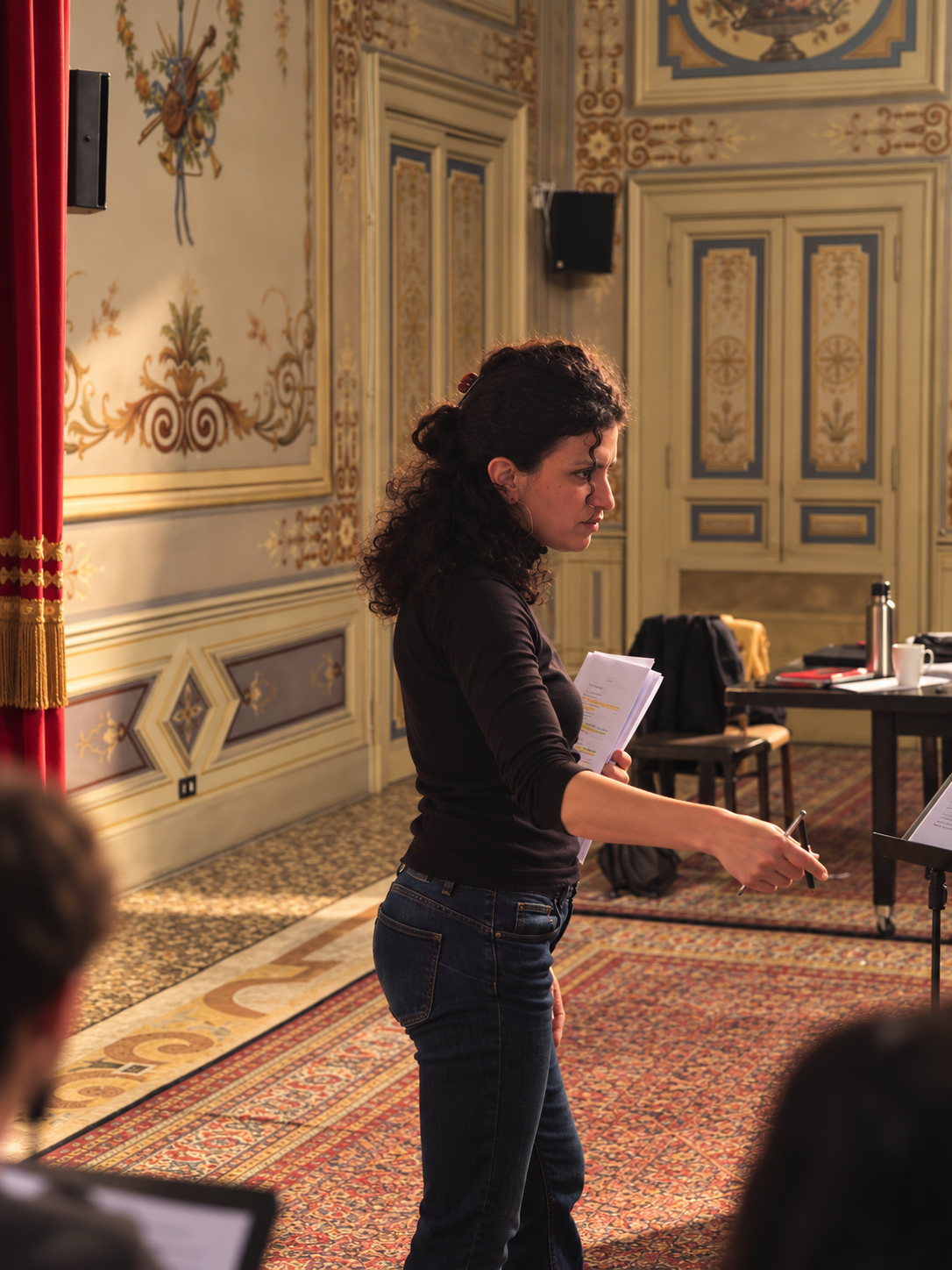
Alongside my work as an actress, I soon began to move towards directing and dramaturgy. I felt the need to broaden my perspective: not only to inhabit a character, but also to explore the work as a whole—the relationships between actors, the use of space, and the stories taking shape on stage.
My real initiation into directing came through my work with the renowned Italian director Gabriele Lavia, with whom I worked as an assistant director on theatre productions, including Much Ado About Nothing and Measure for Measure, and later in opera, on The Servant at the Sferisterio Opera Festival in 2008.
In the following years, I moved to the United Kingdom, where I began developing my first projects as a director and dramaturg.
Opera
My first encounter with opera came through my work as an assistant director. I later decided to deepen my engagement with this art form through specialised training in Musical Theatre Directing at the “Licinio Refice” Conservatory in Frosinone, under the guidance of director and playwright Professor Stefania Porrino.
For me, opera became the meeting point between two paths that had always been part of my education: theatre and music. I have studied the piano since the age of six, and opera directing has allowed me to bring my musical knowledge into my work on stage while continuing to develop it through practice.
In my work, I am particularly interested in original operas and in the need to bring new life to a genre that continues to offer enormous expressive possibilities. For this reason, I am committed to promoting and staging contemporary operas that engage, through music and voice, with issues that are relevant to the world we live in today.
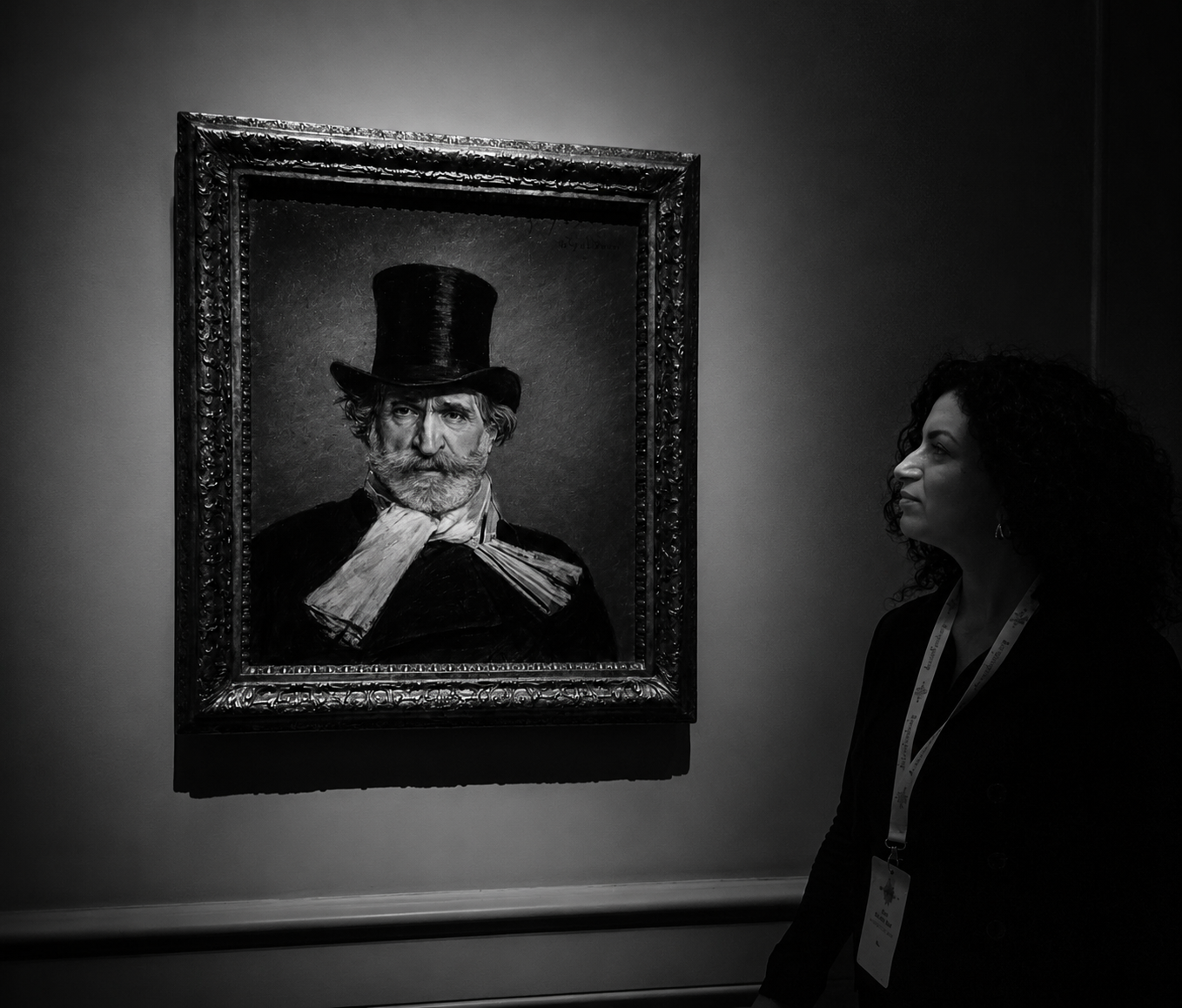
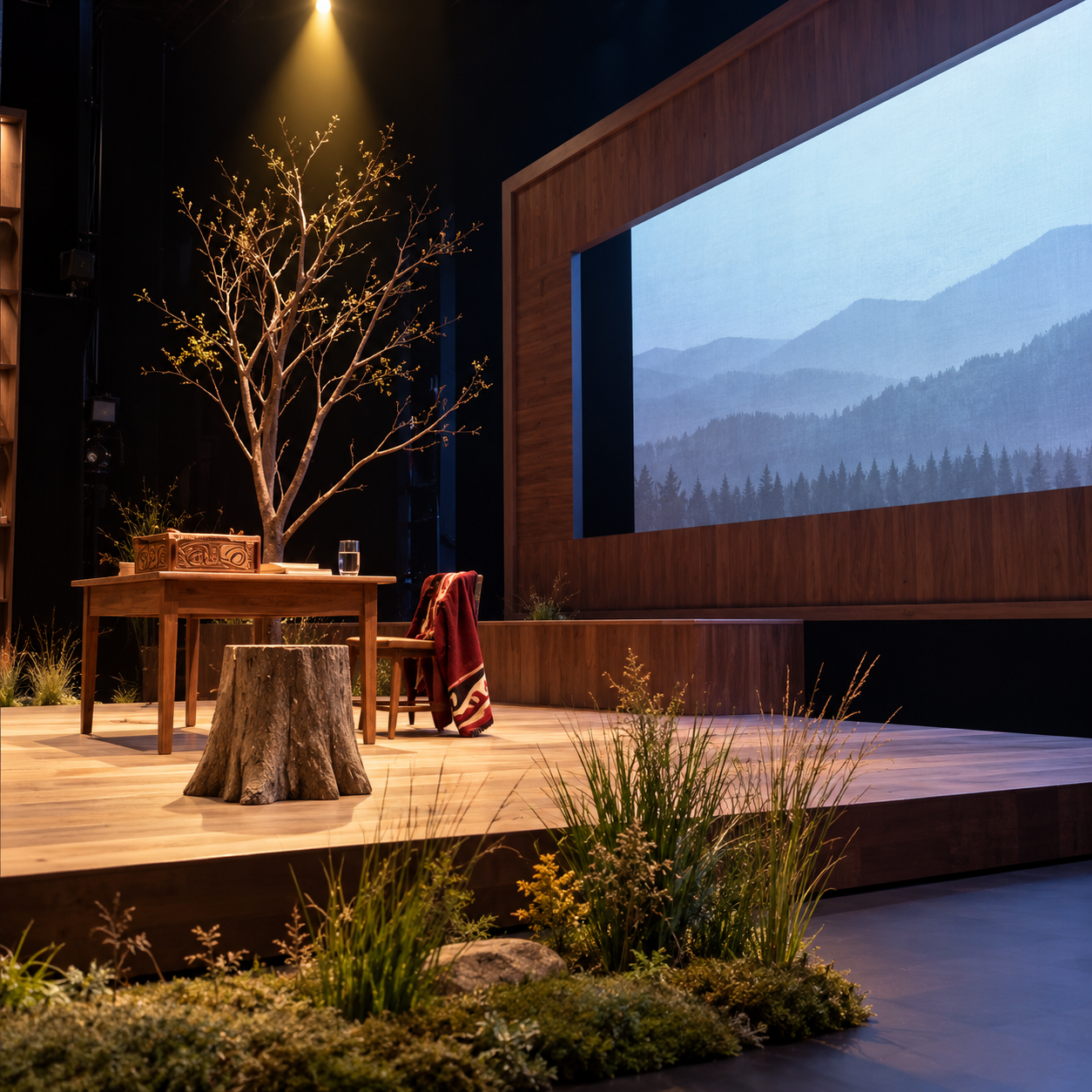
Captain Who, an original contemporary opera by composer Wojciech Stępień, is part of this artistic direction. I directed its Italian premiere at Teatro di Documenti in Rome in 2025, in a project supported by the Polish Institute in Rome and the Adam Mickiewicz Institute. The production brought to the stage a contemporary work combining theatre and music while addressing issues that remain deeply relevant today, including toxic masculinity and gender-based violence.
Between Research and the Stage
Alongside my artistic training, I studied Foreign Languages and Cultures and International Relations. After spending several years abroad, I returned to Italy and completed a Master’s degree in Anglo-American Studies at Sapienza University of Rome.
From the very beginning, theatre represented a point of connection between my artistic and academic paths. In my Master’s thesis, I worked on nineteenth-century American theatre, focusing on the work of one of the first women playwrights active in New York and on her theatrical adaptation of a novel. I was particularly interested in the way this process of adaptation transformed a character who had originally occupied a marginal role—a young Indigenous woman—into the central protagonist of the play.
Through this work, I began to explore the ways in which Indigenous figures and characters have been represented in American theatre and literature.
In 2021, I decided to pursue these questions further through a PhD in English Languages, Literatures and Translation. Building on this initial interest, I chose to focus on the contemporary theatre of Indigenous women playwrights from the United States and Canada.
Contemporary Indigenous Theatre in Canada and the United States
My research project explores how these playwrights engage with and respond, through dramatic writing, to the legal practices that have contributed to the marginalisation and oppression of Indigenous peoples in the United States and Canada. At the same time, it examines how these texts can be understood not only as literary works, but also as manifestations and articulations of Indigenous legal orders.
This path has led me to explore the intersection of law and literature and, more broadly, the relationship between law, theatre, human rights, storytelling, and the production of knowledge.
My research was further enriched by my decision to translate into Italian one of the plays I wrote about in my doctoral thesis, The Unplugging by Algonquin playwright Yvette Nolan. The translation received a grant from the Canada Council for the Arts in 2023.
Encountering Indigenous epistemologies and research methodologies from North America profoundly transformed not only the way I conduct research, but also the way I see the world. It led me to question many of the categories and assumptions through which I had been taught to read, interpret, and produce knowledge.
Research has therefore become an integral part of my artistic practice. I continue to explore the relationship between theatre, law, storytelling, and different forms of knowledge, allowing my academic work and my work on stage to inform and nourish one another.
I am profoundly convinced that my research and artistic practice cannot be separated from social activism. The struggles and claims of Indigenous peoples, and the fight against different forms of oppression, accompany both my artistic and research journey and inform the choices I make.
I write more extensively about my journey, my research, and the questions that guide my work on my blog.
esempio n. 2
My name is Sara R. Selim.
I am an Italian-Egyptian theatre and opera director. I come from a family with a migration background, and growing up between different cultural reference points has profoundly shaped the way I see the world and, over time, my approach to theatre. It has led me to question many of the things we often take for granted: the stories we tell, the perspectives from which we view the world, and the different ways in which we relate to one another. My curiosity and interest in other perspectives and experiences stem precisely from this background.
For over fifteen years, I have worked across Italy, the United Kingdom, and international contexts, collaborating with artists, institutions, and organizations from a wide range of backgrounds. Over the years, I have worked as an actress, assistant director, director, translator, and researcher, developing a practice centered on the encounter between different artistic approaches, languages, cultures, and systems of knowledge.
Your content goes here. Edit or remove this text inline or in the module Content settings. You can also style every aspect of this content in the module Design settings and even apply custom CSS to this text in the module Advanced settings.
Theatre, Research, and Social Justice
My work sits at the intersection of theatre, research, and social justice.
I am a theatre and opera director, translator, and researcher, and I have recently completed a PhD focused on the contemporary theatre of Indigenous women playwrights in North America, exploring the relationship between storytelling and the law.
My artistic and research practices inform one another. I am particularly interested in how theatre can create spaces for listening and dialogue, while also questioning the narratives, assumptions, and structures through which we understand the world.
I work to bring lesser-known voices and texts to Italian audiences, developing projects that connect artistic practice with research and collective reflection.
Beginnings and Theatre
Theatre was the language through which, from an early age, I felt I could fully express myself. Through working on myself and on the characters I played, I was able to explore and express aspects of my identity that did not always find space in everyday life.
That discovery soon developed into a path of training and professional practice. I studied and worked across Italy, the United Kingdom, and Germany, exploring different approaches to acting and theatrical practice. I trained as an actress in Italy and London and took part in workshops and training programmes devoted to physical theatre, biomechanics, and the practices of Jerzy Grotowski and Eugenio Barba, both in Italy and abroad.


Directing
Alongside my work as an actress, I soon began to move towards directing and dramaturgy. I felt the need to broaden my perspective: not only to inhabit a character, but also to explore the work as a whole—the relationships between actors, the use of space, and the stories taking shape on stage.
My real initiation into directing came through my work with the renowned Italian director Gabriele Lavia, with whom I worked as an assistant director on theatre productions, including Much Ado About Nothing and Measure for Measure, and later in opera, on The Servant at the Sferisterio Opera Festival in 2008.
In the following years, I moved to the United Kingdom, where I began developing my first projects as a director and dramaturg.
Opera
My first encounter with opera came through my work as an assistant director. I later decided to deepen my engagement with this art form through specialised training in Musical Theatre Directing at the “Licinio Refice” Conservatory in Frosinone, under the guidance of director and playwright Professor Stefania Porrino.
For me, opera became the meeting point between two paths that had always been part of my education: theatre and music. I have studied the piano since the age of six, and opera directing has allowed me to bring my musical knowledge into my work on stage while continuing to develop it through practice.
In my work, I am particularly interested in original operas and in the need to bring new life to a genre that continues to offer enormous expressive possibilities. For this reason, I am committed to promoting and staging contemporary operas that engage, through music and voice, with issues that are relevant to the world we live in today.
Captain Who, an original contemporary opera by composer Wojciech Stępień, is part of this artistic direction. I directed its Italian premiere at Teatro di Documenti in Rome in 2025, in a project supported by the Polish Institute in Rome and the Adam Mickiewicz Institute. The production brought to the stage a contemporary work combining theatre and music while addressing issues that remain deeply relevant today, including toxic masculinity and gender-based violence.


Between Research and the Stage
Alongside my artistic training, I studied Foreign Languages and Cultures and International Relations. After spending several years abroad, I returned to Italy and completed a Master’s degree in Anglo-American Studies at Sapienza University of Rome.
From the very beginning, theatre represented a point of connection between my artistic and academic paths. In my Master’s thesis, I worked on nineteenth-century American theatre, focusing on the work of one of the first women playwrights active in New York and on her theatrical adaptation of a novel. I was particularly interested in the way this process of adaptation transformed a character who had originally occupied a marginal role—a young Indigenous woman—into the central protagonist of the play.
Through this work, I began to explore the ways in which Indigenous figures and characters have been represented in American theatre and literature.
In 2021, I decided to pursue these questions further through a PhD in English Languages, Literatures and Translation. Building on this initial interest, I chose to focus on the contemporary theatre of Indigenous women playwrights from the United States and Canada.
Contemporary Indigenous Theatre in Canada and the United States
My research project explores how these playwrights engage with and respond, through dramatic writing, to the legal practices that have contributed to the marginalisation and oppression of Indigenous peoples in the United States and Canada. At the same time, it examines how these texts can be understood not only as literary works, but also as manifestations and articulations of Indigenous legal orders.
This path has led me to explore the intersection of law and literature and, more broadly, the relationship between law, theatre, human rights, storytelling, and the production of knowledge.
My research was further enriched by my decision to translate into Italian one of the plays I wrote about in my doctoral thesis, The Unplugging by Algonquin playwright Yvette Nolan. The translation received a grant from the Canada Council for the Arts in 2023.
Encountering Indigenous epistemologies and research methodologies from North America profoundly transformed not only the way I conduct research, but also the way I see the world. It led me to question many of the categories and assumptions through which I had been taught to read, interpret, and produce knowledge.
Research has therefore become an integral part of my artistic practice. I continue to explore the relationship between theatre, law, storytelling, and different forms of knowledge, allowing my academic work and my work on stage to inform and nourish one another.
I am profoundly convinced that my research and artistic practice cannot be separated from social activism. The struggles and claims of Indigenous peoples, and the fight against different forms of oppression, accompany both my artistic and research journey and inform the choices I make.
I write more extensively about my journey, my research, and the questions that guide my work on my blog.

esempio n. 3
My name is Sara R. Selim.
I am an Italian-Egyptian theatre and opera director. I come from a family with a migration background, and growing up between different cultural reference points has profoundly shaped the way I see the world and, over time, my approach to theatre. It has led me to question many of the things we often take for granted: the stories we tell, the perspectives from which we view the world, and the different ways in which we relate to one another. My curiosity and interest in other perspectives and experiences stem precisely from this background.
For over fifteen years, I have worked across Italy, the United Kingdom, and international contexts, collaborating with artists, institutions, and organizations from a wide range of backgrounds. Over the years, I have worked as an actress, assistant director, director, translator, and researcher, developing a practice centered on the encounter between different artistic approaches, languages, cultures, and systems of knowledge.
Your content goes here. Edit or remove this text inline or in the module Content settings. You can also style every aspect of this content in the module Design settings and even apply custom CSS to this text in the module Advanced settings.
Theatre, Research, and Social Justice
My work sits at the intersection of theatre, research, and social justice.
I am a theatre and opera director, translator, and researcher, and I have recently completed a PhD focused on the contemporary theatre of Indigenous women playwrights in North America, exploring the relationship between storytelling and the law.
My artistic and research practices inform one another. I am particularly interested in how theatre can create spaces for listening and dialogue, while also questioning the narratives, assumptions, and structures through which we understand the world.
I work to bring lesser-known voices and texts to Italian audiences, developing projects that connect artistic practice with research and collective reflection.
Beginnings and Theatre
Theatre was the language through which, from an early age, I felt I could fully express myself. Through working on myself and on the characters I played, I was able to explore and express aspects of my identity that did not always find space in everyday life.
That discovery soon developed into a path of training and professional practice. I studied and worked across Italy, the United Kingdom, and Germany, exploring different approaches to acting and theatrical practice. I trained as an actress in Italy and London and took part in workshops and training programmes devoted to physical theatre, biomechanics, and the practices of Jerzy Grotowski and Eugenio Barba, both in Italy and abroad.
Directing
Alongside my work as an actress, I soon began to move towards directing and dramaturgy. I felt the need to broaden my perspective: not only to inhabit a character, but also to explore the work as a whole—the relationships between actors, the use of space, and the stories taking shape on stage.
My real initiation into directing came through my work with the renowned Italian director Gabriele Lavia, with whom I worked as an assistant director on theatre productions, including Much Ado About Nothing and Measure for Measure, and later in opera, on The Servant at the Sferisterio Opera Festival in 2008.
In the following years, I moved to the United Kingdom, where I began developing my first projects as a director and dramaturg.
Opera
My first encounter with opera came through my work as an assistant director. I later decided to deepen my engagement with this art form through specialised training in Musical Theatre Directing at the “Licinio Refice” Conservatory in Frosinone, under the guidance of director and playwright Professor Stefania Porrino.
For me, opera became the meeting point between two paths that had always been part of my education: theatre and music. I have studied the piano since the age of six, and opera directing has allowed me to bring my musical knowledge into my work on stage while continuing to develop it through practice.
In my work, I am particularly interested in original operas and in the need to bring new life to a genre that continues to offer enormous expressive possibilities. For this reason, I am committed to promoting and staging contemporary operas that engage, through music and voice, with issues that are relevant to the world we live in today.
Captain Who, an original contemporary opera by composer Wojciech Stępień, is part of this artistic direction. I directed its Italian premiere at Teatro di Documenti in Rome in 2025, in a project supported by the Polish Institute in Rome and the Adam Mickiewicz Institute. The production brought to the stage a contemporary work combining theatre and music while addressing issues that remain deeply relevant today, including toxic masculinity and gender-based violence.
Between Research and the Stage
Alongside my artistic training, I studied Foreign Languages and Cultures and International Relations. After spending several years abroad, I returned to Italy and completed a Master’s degree in Anglo-American Studies at Sapienza University of Rome.
From the very beginning, theatre represented a point of connection between my artistic and academic paths. In my Master’s thesis, I worked on nineteenth-century American theatre, focusing on the work of one of the first women playwrights active in New York and on her theatrical adaptation of a novel. I was particularly interested in the way this process of adaptation transformed a character who had originally occupied a marginal role—a young Indigenous woman—into the central protagonist of the play.
Through this work, I began to explore the ways in which Indigenous figures and characters have been represented in American theatre and literature.
In 2021, I decided to pursue these questions further through a PhD in English Languages, Literatures and Translation. Building on this initial interest, I chose to focus on the contemporary theatre of Indigenous women playwrights from the United States and Canada.
Contemporary Indigenous Theatre in Canada and the United States
My research project explores how these playwrights engage with and respond, through dramatic writing, to the legal practices that have contributed to the marginalisation and oppression of Indigenous peoples in the United States and Canada. At the same time, it examines how these texts can be understood not only as literary works, but also as manifestations and articulations of Indigenous legal orders.
This path has led me to explore the intersection of law and literature and, more broadly, the relationship between law, theatre, human rights, storytelling, and the production of knowledge.
My research was further enriched by my decision to translate into Italian one of the plays I wrote about in my doctoral thesis, The Unplugging by Algonquin playwright Yvette Nolan. The translation received a grant from the Canada Council for the Arts in 2023.
Encountering Indigenous epistemologies and research methodologies from North America profoundly transformed not only the way I conduct research, but also the way I see the world. It led me to question many of the categories and assumptions through which I had been taught to read, interpret, and produce knowledge.
Research has therefore become an integral part of my artistic practice. I continue to explore the relationship between theatre, law, storytelling, and different forms of knowledge, allowing my academic work and my work on stage to inform and nourish one another.
I am profoundly convinced that my research and artistic practice cannot be separated from social activism. The struggles and claims of Indigenous peoples, and the fight against different forms of oppression, accompany both my artistic and research journey and inform the choices I make.
I write more extensively about my journey, my research, and the questions that guide my work on my blog.